

At Beep Beep Casino, we believe that a flawless and protected login experience is the basis of every great gaming session beepcasino.ca. Casino session management is the underlying framework that dictates how you reach your account, how long you stay connected, and how your personal data is safeguarded. When you arrive at our login page, a series of intelligent protocols start operating immediately to verify your information, preserve your active state, and prevent unauthorized access. Understanding these mechanisms empowers you to game with certainty, whether you are a new visitor finishing registration or a regular member resuming exactly where you left off. We will take you through the full process of a session, from the first handshake to a protected logout.
Common Questions
What is the duration of my casino session remain active if I do nothing?
At Beep Beep, an idle session is automatically terminated after thirty minutes of mouse activity, touchscreen interaction, or gameplay. The countdown resets every time you perform a verified action, such as spinning a slot or opening a new table. In sensitive sections such as the cashier or document submission area, the inactivity timeout drops to 10 minutes. This layered strategy makes sure that should you inadvertently leave your account open on a shared computer, the session will not persist enough for anyone to misuse it.
If I shut my browser tab, end my session immediately?
Shutting a browser tab may not log you out right away. A few session cookies are configured with a short grace period to deal with unintentional tab closures or browser failures properly. For a guaranteed immediate logout, you should click the “Logout” button in your profile. This step dispatches a logout request to our server, revokes the token, and removes the cookie. Depending solely on closing the window may leave a brief window where the session could be reconnected if the browser is reopened soon after.
Can I view all gadgets currently signed into my account?
Without a doubt. Your account dashboard features an “Active Sessions” panel that shows every valid session token linked to your profile. For each entry, you will find the device type, approximate location based on IP address, and the time the session started. If you detect an unfamiliar session, you can quickly revoke it with a single tap. This feature offers you full visibility and control, letting you to act immediately if you detect any unauthorized access or simply want to remove old logins.
Is it secure to log in to my casino account using public Wi‑Fi?
We strongly recommend against logging into any financial or gaming account over unsecured public Wi‑Fi networks. Even though our login page and all subsequent data are secured by TLS encryption, open networks can still expose your device to local attacks such as ARP spoofing or evil twin hotspots that may attempt to capture session cookies before they are encrypted. If you must use a public network, always connect through a reputable VPN that encrypts all traffic from your device, adding a critical extra layer of protection.
How should I proceed if I notice a suspicious login from an unknown location?
When you notice a suspicious session on your account, respond right away. First, use the “Active Sessions” dashboard to terminate that specific token. Then, change your password right away, and ensure multi‑factor authentication is enabled. Contact our customer support team, providing the approximate time and details of the unrecognized login. We can conduct a forensic audit of the session, block the originating IP address, and add enhanced monitoring to your account. Your quick response averts any potential loss and helps us strengthen platform‑wide defences.
Does Beep Beep Casino use device fingerprinting for session security?
Absolutely, we use a privacy‑conscious device fingerprinting system that integrates non‑identifiable attributes such as browser version, screen resolution, time zone, and installed fonts to produce a unique identifier hash. This fingerprint is examined during every session request without retaining any personal data. If a session token is abruptly presented from a device with a totally different fingerprint, our system may trigger re‑authentication or cap high‑value transactions. It is a quiet, effective layer that captures token theft while the real user remains unaffected.
What Exactly Is a Casino Session?
A casino session is a temporary, authorized connection between your device and our gaming platform. It begins the moment you provide valid credentials on the login page and finishes when you log out, close your browser, or the session expires automatically. During that window, our servers recognize you as a unique, verified user and grant you access to your wallet, game history, and responsible gambling tools. The session is not a permanent link; it depends on a careful interplay of tokens, cookies, and server‑side records that continuously validate your permissions. Without proper session management, every click would require a full re‑authentication, making gameplay irritatingly slow and exposing sensitive data to unnecessary risk.
The Protected Login Handshake
When you submit your email and password on our login page, your device begins a secure handshake with our authentication servers. This exchange uses industry‑standard encryption to encrypt your credentials during transit so that nobody intercepting the data can read them. Once our system verifies the password against its encrypted hash, it produces a unique session identifier. That identifier is never stored in plain text on your computer; instead, it is placed inside an encrypted cookie or token. Every later request you make, such as opening a blackjack table or checking your balance, contains this identifier, allowing us to confirm your identity without asking for your password again.
Session Tokens and Cookies
Modern casinos lean on two primary vehicles for session data: browser cookies and JSON Web Tokens, often called JWTs. A cookie is a small piece of data our domain holds in your browser, holding the session ID and a digital signature. JWTs work similarly but are often used by mobile apps, carrying encrypted claims about your user role and expiry time. Both methods are strictly limited to our registered domain, meaning other websites cannot read them. At Beep Beep Casino, we set the Secure, HttpOnly, and SameSite attributes on our cookies, which greatly reduces the risk of cross‑site scripting attacks and ensures your session remains isolated from malicious third‑party scripts.
User Validation and Connection Safety
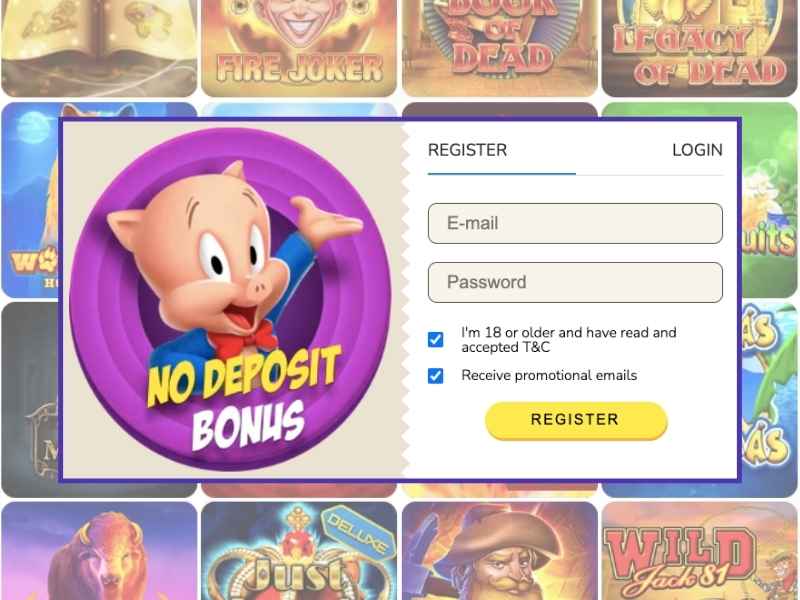
Account verification is more than a regulatory requirement; it is a critical layer that bolsters session integrity. Until a session can be completely relied upon for deposits and withdrawals, we must ensure that the person behind the credentials is actually who they claim to be. This procedure, known as Know Your Customer (KYC), associates your digital identity to legal documents. Once validated, your account attains a higher trust rating within our session management logic. Sessions from verified accounts are tracked with enhanced oversight for geographic consistency and device fingerprinting, but they also benefit from smoother transitions when moving between games, because the underlying identity has been robustly established.
Know Your Customer (KYC) Basics
KYC is a required procedure that verifies your name, date of birth, address, and payment method. During the verification flow, you upload a government‑issued photo ID and a current utility bill or bank statement. Our compliance team assesses these documents, and once accepted, your account status is definitively elevated. From a session standpoint, that elevation means your tokens contain an supplementary validation flag. Even though someone acquires your password, they will not complete a withdrawal or change sensitive account details unless they also meet the identity checks. The session remains functionally limited until the registered identity matches the active user.
In what manner Verification Reinforces Sessions
Verification immediately impacts how our session management system responds to unusual behaviour. For a fully verified account, we can set longer idle timeouts for low‑risk tasks, because we have a high‑confidence link between the user and the profile. Conversely, if an unverified account triggers a location change or a new device mark, our system may require immediate re‑authentication or a verification prompt. This adaptive session control is a major advantage of a thorough KYC process. It allows us to offer a frictionless experience to legitimate players while automatically clamping down on sessions that show even subtle signs of breach.
Document Upload Best Practices
When submitting sensitive documents through our secure gateway, the session itself transforms into a protected conduit. All uploads take place over an encrypted HTTPS connection established during the login exchange. We recommend preparing clear, unobstructed photographs of your ID where all four corners are visible and text is legible. Avoid using public computers or open Wi‑Fi networks during this phase, because an unsecured network can expose your session token to side‑channel attacks. Once the files reach our server, they are encrypted at rest and accessible only to authorized compliance staff, never to general support workers.
Securing Your Uploaded Files
One often‑overlooked detail is the duration of the session employed to upload documents. We routinely shorten the timeout interval for any session that accesses the document portal to seven minutes of inactivity, rather than the standard thirty. This aggressive timeout minimizes the chance of opportunity for an attacker who might physically access your unlocked device. Additionally, the file‑transfer subsystem provides a one‑time one‑direction token that ends the moment the upload completes. Once your documents are stored, they are protected behind a separate authentication layer that demands multi‑factor approval for any retrieval. This assures that even if your main session cookie is stolen, the attacker gains no access to your uploaded identity files.
Beep Beep Casino’s Approach to Session Management
Our philosophy at Beep Beep Casino is that managing sessions should be unnoticeable when everything is normal and highly visible when something goes wrong. We have designed our authentication infrastructure to equate user comfort and robust protection, using a zero‑trust framework where every request is separately checked even within an ongoing session. This means your session identifier is continuously churned, re‑validated, and verified against risk signals such as IP location, device profile, and behavioral patterns. By combining these adaptive controls, we ensure that your gaming session remains uninterrupted while we diligently protect against session takeover, credential injection, and account sharing abuse.
Security Features of Login Page
Our login page at beepcasino.ca/login/ is designed with multiple invisible defences. It features bot identification that separates human login attempts from automated routines, using challenge‑response tests only when strictly required. We also utilize Credential Stuffing Defense, which matches entered credentials against databases of known compromised passwords and stops matched attempts. Additionally, the page uses a rigorous Content Security Policy that prohibits any third‑party script from executing during the login flow, ensuring that your key presses are captured solely by our own safe code.
Session Length Rules
We implement intentional session duration caps that correspond to the nature of the activities being conducted. A standard gaming session can persist for up to twelve hours if you stay active, but a fully idle session times out in thirty minutes. For financial transactions, we apply a mandatory session check every five minutes, which includes a silent token refresh that validates the request against a backend ledger. If a session is used from a new IP address during the session, we do not immediately terminate it; instead, we downgrade its privileges, preventing withdrawals and bonus redemptions until you re‑authenticate. This graduated response allows legitimate travellers in the game while safeguarding their funds.
Continuous Monitoring and Anomaly Detection
Behind any session operates a instant monitoring engine that assesses risk using machine learning. It monitors many parameters—typing cadence, mouse movement patterns, typical login times, and device sensor readings—to build a baseline of your normal activity. When a session strays markedly from that baseline, our system can discreetly insert a elevated authentication challenge, such as prompting your MFA code once more, without logging you out fully. This adaptive approach intercepts session hijackers who might have stolen a valid token but are unable to precisely mimic your physical interaction habits. All anomalies are logged, reviewed, and used to improve our defensive models without ever storing raw biometric data.
Overseeing Current User Sessions and Timeouts
Knowing how to check and manage your current sessions provides you with strong oversight over your account security. At any point, multiple sessions can be open—on your desktop, phone, and tablet—each with its unique identifier and timeout clock. Our session oversight interface, reachable from the account dashboard, displays a instant list of these sessions. You can see the device type, approximate location, and the time the session was created. This visibility lets you to spot unfamiliar logins instantly and close them with a single click, before any harm can happen.
Control Panel Session Overview
Within your Beep Beep Casino account, the “Active Sessions” panel shows all token currently connected with your user ID. Each entry includes a obscured IP address, browser fingerprint, and an activity time stamp. If you notice a session from a city you have never visited or a device you do not possess, you can right away revoke it. Revocation destroys the backend record of that token, making the cookie or JWT on the remote device invalid. We also track this action and may cause a security review if repeated forced revocations occur. Consistently auditing this list is one of the most straightforward yet most impactful habits for maintaining session security.
Auto Inactivity Logout
To safeguard accounts that are left unattended, our platform applies an automatic inactivity timeout. If no mouse movement, tap, or game action is observed for thirty minutes, the session is gracefully terminated and you are required to log in again. For highly sensitive sections, such as the cashier or document upload portal, the timeout reduces to ten minutes. This mechanism ensures that a session accidentally left open on a shared or public computer does not become a permanent backdoor. The timer is restarted with each authenticated request, so active gameplay holds your session alive without interruption while still protecting against prolonged neglect.
Hand-operated Session Termination
Ending the session correctly is just as important as logging in securely. When you tap the “Logout” button, our server accepts a termination request and immediately invalidates your session token. The browser cookie is removed, and any local state is purged from memory. We recommend making manual logout a habit, especially after playing on a borrowed device or a public terminal. Simply closing the browser window may not instantly destroy the session, because some cookies are set to persist for a short grace period to handle accidental tab closures. A deliberate logout ensures there is zero ambiguity about whether your account remains accessible.
Best Practices for Protected Account Handling
While we implement comprehensive measures to protect the server side, the integrity of every casino session also depends on actions you perform on your own devices. No technical safeguard can fully make up for weak passwords, shared accounts, or careless device habits. By following a few practical practices, you can dramatically reduce the attack surface of your session. The goal is to render your authentication tokens as hard as possible to steal and as easy as possible to revoke if they are ever breached. Think of these practices as a personal insurance policy that guards your balance, identity, and peace of mind while you enjoy our games.
Password Hygiene
A individual, complex password is the cornerstone of session security. Reusing passwords across gaming, email, and social media sites creates a chain of vulnerability; one breach elsewhere could compromise your casino credentials. We enforce a minimum length of twelve characters and insist on a mix of uppercase, lowercase, numbers, and symbols. Use a password manager to produce and save these credentials so you never need to memorize them. Avoid dictionary words, birthdays, or sequential patterns. Even with MFA enabled, a strong primary password impedes brute‑force attempts and gives our anomaly detection systems more time to detect suspicious login activity.
Detecting Phishing Attempts
Phishing scams remains one of the most common ways attackers take over live sessions. You could get an email or message that appears to be Beep Beep Casino, leading you toward a fake login page built to steal your credentials. Always verify the URL: authentic pages start with https://beepcasino.ca. We will never ask you to share your password, MFA code, or full credit card number via email or text. If you are ever unsure, access the site directly by typing the address into your browser rather than clicking a link. Submit any suspicious message to our support team without delay.
Device Protection
The device you use to log in is part of the session’s trusted environment. Keep your operating system, browser, and antivirus software updated to patch known vulnerabilities that could be exploited to read your session cookies. Enable full‑disk encryption on laptops and use a strong screen lock on mobile devices. Avoid installing unverified browser extensions that require broad permissions, as these can intercept clipboard contents and session data. When accessing your casino account over Wi‑Fi, opt for a private network or use a trusted VPN to shield your traffic from local network snooping.
Protected Login Protocols Protecting Your Account
Each login attempt at Beep Beep Casino is protected by various defensive protocols that work together to block credential theft and session hijacking. The primary defensive layer is Transport Layer Security, which secures all data transmitted between your browser and our servers. We implement TLS 1.3 only, disabling older, outdated versions. Beyond encryption, we leverage a powerful authentication gateway that identifies brute‑force patterns, recognized compromised credentials, and unrealistic geographic movement scenarios. These protections work unobtrusively in the background, but they are why your session remains stable and trustworthy, including on networks that are not entirely under your control.
TLS
TLS is the lock icon you see in your browser’s address bar. When you visit beepcasino.ca/login/, our server presents a digital certificate that proves it is genuinely run by Beep Beep Casino. Your browser and our server then negotiate an ephemeral encryption key that is used for that single session only. Even if an eavesdropper intercepts the encrypted traffic, they cannot decrypt it without the private key held solely by our infrastructure. We rotate these keys frequently and use certificate pinning in our mobile application to prevent man‑in‑the‑middle attacks. This foundational encryption assures that your username, password, and session token remain private from the moment you type them until they reach our protected data centre.
Multi-Factor Authentication
MFA provides a critical second factor to the login process, making stolen passwords useless on their own. After entering your correct password, our system can ask you for a one‑time code generated by an authenticator app or sent via SMS. Only when that code is validated does the session token get created. We strongly recommend every player to enable MFA from their account security settings. Even if your primary email address is compromised, the time‑sensitive code prevents attackers from completing the login. From a session perspective, MFA‑protected accounts generate tokens that carry an elevated assurance attribute, allowing us to maintain their sessions longer for trusted devices.
Employing an Authenticator App
We advise authenticator applications like Google Authenticator or Authy over SMS‑based codes because they are not vulnerable to SIM‑swapping attacks. After you scan a QR code from your account dashboard, the app generates a new six‑digit code every thirty seconds, and that code is checked against a time‑synchronized algorithm on our server. The secret key used to generate these codes never crosses the network during login; it is transmitted only once during setup. This means that even if a malicious actor captures the login session token, they cannot create valid future codes to re‑authenticate later, maintaining your extended sessions secured across multiple devices.
